PC Memory Upgrades Slow Down as High-Capacity RAM Prices Climb
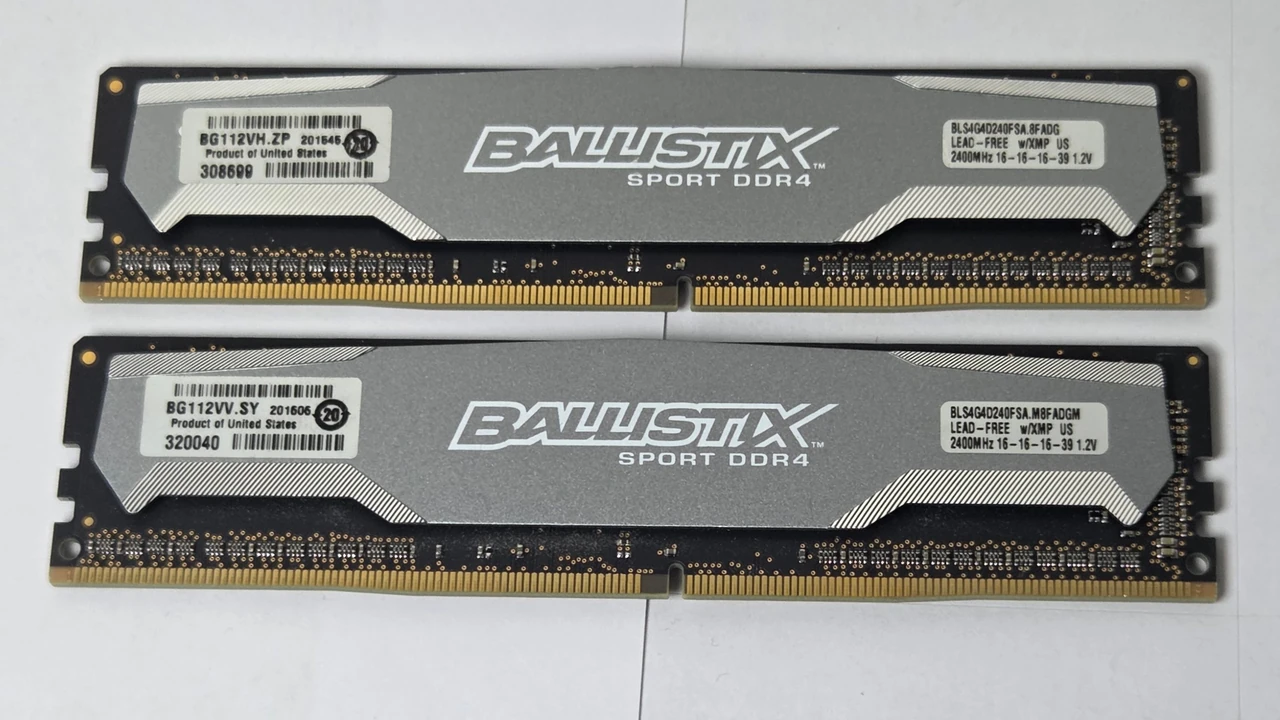
Photo credits

Personal computers built with massive 64GB memory setups have dropped significantly in use, as surging hardware costs lead buyers to choose smaller and more affordable options.
A hardware tracking survey reveals that computers equipped with 64GB of memory fell by 18% over a one-year period. Systems with 32GB of memory also saw a smaller decline of 2.5%.
The report indicates that the boom in artificial intelligence infrastructure is consuming vast amounts of dynamic random-access memory—the primary working memory used by computers—leaving less supply available for regular PC manufacturers. As these memory components become much more expensive, buyers are increasingly unwilling to pay high prices for extra capacity.
Instead, consumers are gravitating toward intermediate and smaller options. Computers with 16GB of memory grew by 12.9%, while systems with 8GB saw a 5.5% increase. At the same time, setups with 24GB experienced the fastest growth at 19.7%, offering an in-between choice for users who need more than 16GB without paying for a full 32GB kit.
Despite these shifts, 32GB remains the most common capacity among surveyed users at 37.2%, closely followed by 16GB at 33%. The survey data also shows that an older memory standard, known as DDR4, still powers 54.5% of tracked computers, compared to 32.9% for the newer DDR5 standard. Upgrading to newer memory technology often requires buying a matching motherboard and processor, adding extra expense for consumers. Because the tracker measures computers currently running the software rather than monthly retail sales, the numbers reflect active users rather than total market sales. However, the drop in large memory configurations highlights how rising costs are reshaping what people buy.
Summary
When high-capacity memory becomes too expensive, everyday computer buyers shift toward smaller setups and older technology. This trend shows how intense demand from artificial intelligence data centers can directly change the cost and availability of hardware for ordinary consumers.