Smartphone Makers Turn to Recycled Memory Chips to Cut Costs Amid Shortages
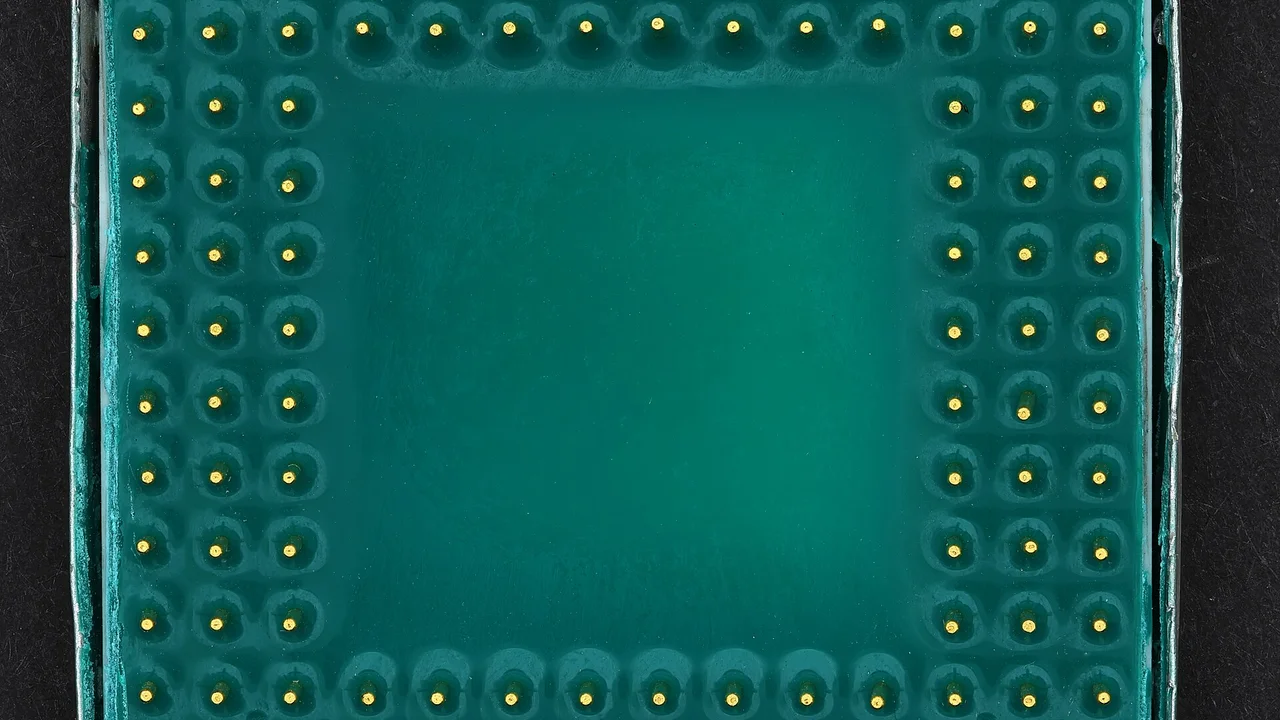
Photo credits

To keep budget phones affordable during a memory shortage, smartphone makers are melting used memory chips off older devices and re-soldering them onto new products.
The practice is known as reballing. Workers heat the tiny solder balls on a used memory chip to remove it from a discarded device before attaching it to a fresh circuit board. Market research firm TrendForce estimates that reballed memory currently makes up about 3% to 4% of the market and is mainly used in entry-level and budget phones. TrendForce expects that adoption rate to grow to between 7% and 9% by 2027.
Right now, most of these recycled components are 4GB LPDDR4X memory modules used in 4G smartphones that cost less than CNY 1,299, or about $200. Budget shoppers are very sensitive to price changes, leaving brands little room to raise retail prices without hurting sales. Reused chips help companies manage rising material costs while keeping inexpensive phones within reach for buyers.
TrendForce expects DRAM prices to keep climbing in the first quarter of 2027, which will add more pressure on manufacturers. That financial strain could eventually push brands to use recycled memory and other lower-cost parts in more expensive phones, turning a temporary trick for budget devices into a widespread industry strategy.
High memory prices are also driving hardware hobbyists to find creative ways to reuse existing parts. An electronics enthusiast recently bought a cheap $120 laptop memory kit from Facebook Marketplace, salvaged the SK hynix chips, and re-soldered them onto custom desktop circuit boards to build a high-performance desktop memory kit.
Both factory reballing and hobbyist projects require specialized equipment and technical skill because the solder connections in modern chip packages are extremely tiny. Even so, these efforts show how major brands and repair specialists are looking for practical ways to bypass high prices and limited supplies.
Summary
Rising memory costs are forcing smartphone manufacturers to adopt unusual recycling methods to keep budget phones cheap. As component prices continue to climb, practices like reballing are expected to become much more common across the tech industry.