Silicon Valley Defends Jensen Huang After Nvidia Ouster and Espionage Scandal
This report is part of our Nvidia leadership timeline. Follow the dated updates and source status there.
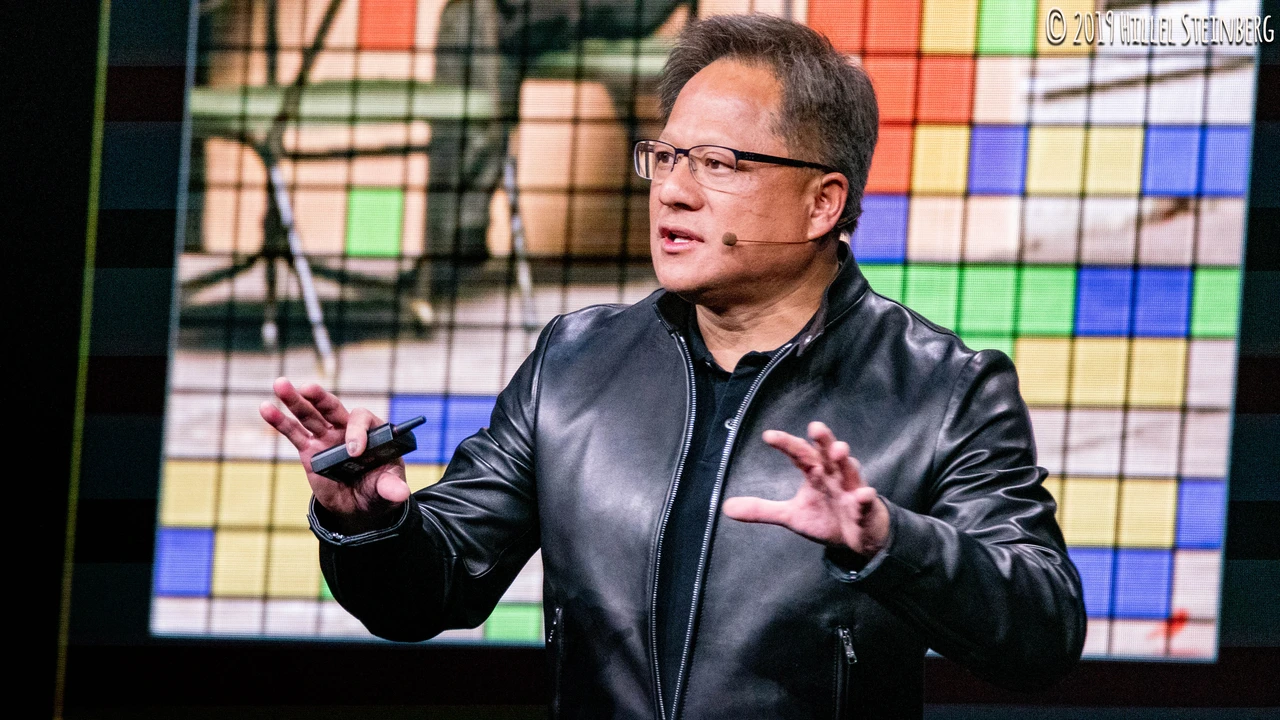
Photo credits
Silicon Valley executives and Nvidia employees are defending Jensen Huang following his resignation after revelations of romantic relationships with subordinates and a suspected Chinese intelligence asset. While the controversy has driven Nvidia’s share price to its lowest point in more than a year, many in the tech industry argue that his leadership remains invaluable to the artificial intelligence boom.
The crisis began when news broke that Huang had an extramarital affair with Alice Huang, a former executive at cloud provider Megaspeed whom United States intelligence agencies identified as a suspected operative for China’s Ministry of State Security. Reports later revealed two additional relationships with Nvidia employees, including a vice president. Nvidia’s board stated it has no reason to believe national security or company secrets were compromised, but it hired the law firm Wachtell Lipton to investigate. China has denied the espionage allegations, calling them groundless.
Inside the company, where about 60,000 employees maintain famously low turnover, workers initially met the news with a muted response. Employees expressed loyalty to Huang, who led the chipmaker through challenges for 33 years while keeping layoffs rare.
“In just three days we went from superhero cape to ‘Oops, I forgot my pants,’ and nobody’s quite sure how to swallow that,” one employee said.
Tech peers offered similar support. Venture capitalist Antonio Gracias posted on X that “One mistake does not erase a lifetime of leadership and contribution in building NVDA,” using the company’s ticker symbol. Another venture capitalist, Sarah Guo, wrote that a founder who spent decades building such a unique company “has earned the presumption that he should keep leading it”.
The fallout has also drawn intense scrutiny in Washington, sparking a political clash over national security and technology policy. Senate Democratic Leader Charles Schumer criticized President Donald Trump for defending Huang and failing to act sooner after intelligence briefings regarding the suspected spy. Trump stated that Huang completely denied knowing Alice Huang was a spy and that the FBI is looking into the matter. Meanwhile, House Republican committees have demanded briefings and documents from Nvidia, questioning whether the company's lobbying efforts influenced export controls on advanced AI chips.
Analysts and industry leaders are now warning that leadership instability at Nvidia could threaten the broader artificial intelligence market. Because Nvidia has heavily funded AI startups and cloud providers, some executives fear a new professional chief executive will not maintain that financial support.
As the board's investigation continues, meetings and projects at Nvidia are pressing ahead under interim leadership, leaving the long-term impact on the world's most valuable chipmaker uncertain.
Summary
- Jensen Huang’s departure from Nvidia tests the tech industry's loyalty to charismatic founders against mounting geopolitical and national security pressures.
- Political scrutiny over export controls and foreign intelligence threats could reshape how the United States regulates advanced artificial intelligence technology.
- Analysts remain divided on whether leadership instability at the center of the AI market will trigger broader economic risks for the sector.