Nvidia CEO Jensen Huang Faces Investigation After Disclosing Extramarital Affair
This report is part of our Nvidia leadership timeline. Follow the dated updates and source status there.
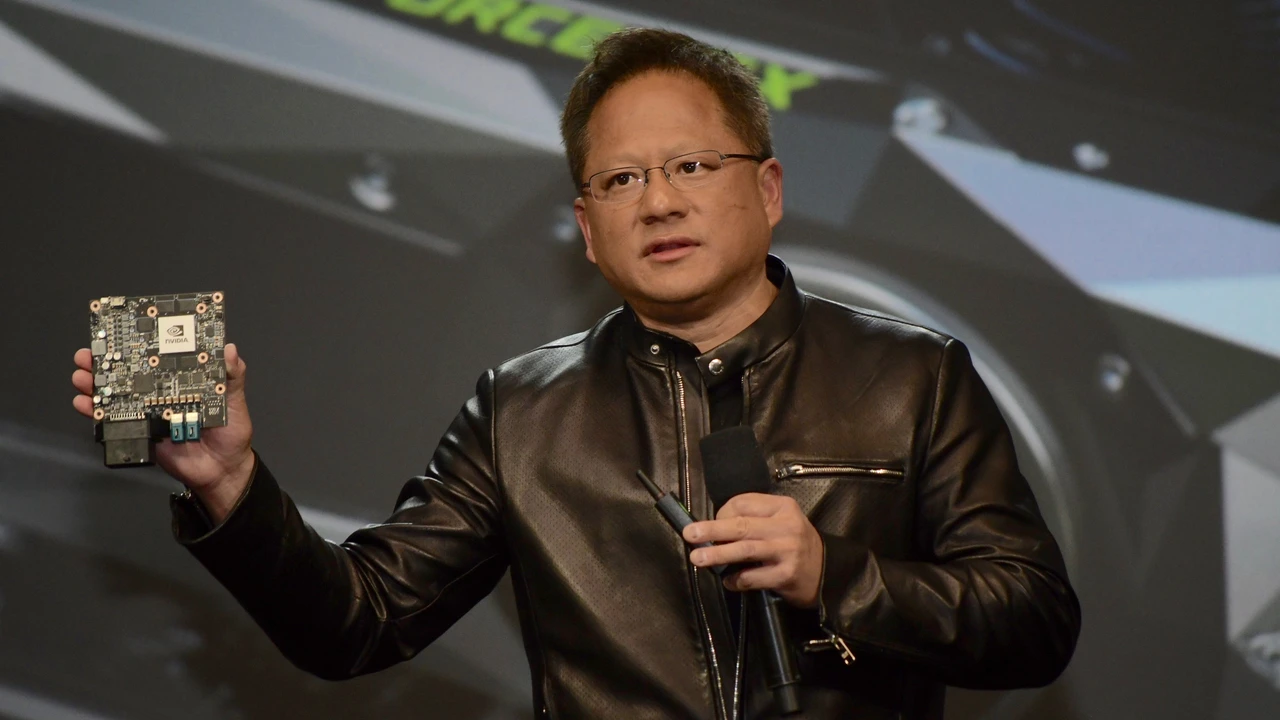
Nvidia chief executive officer Jensen Huang is facing an independent board investigation and growing political scrutiny following his admission of an extramarital affair with a woman whom United States intelligence agencies concluded is a Chinese intelligence asset. The situation places the leader of the world’s most dominant chipmaker at risk and leaves the broader artificial intelligence industry questioning its future direction.
Nvidia’s board of directors announced it would launch an independent review of the incident, stating that Huang “fully supports the review and has committed to cooperating with it”. The board added that it has no reason to believe that confidential company information or national security has been compromised. Corporate filings show Huang earned $36 million last year and owned roughly 3.5 percent of Nvidia as of March. Those filings also note that Huang is an at-will employee who can be dismissed at any time without severance.
The personal controversy follows a year in which Huang began working with a crisis communications firm known for handling public scandals. In 2024, Huang began appearing in public with Alice Huang, a former executive at a Singapore-based chip buyer named Megaspeed. Megaspeed was created when it split off from a Chinese cloud computing firm shortly after the US government began restricting advanced semiconductor exports to China. US intelligence officials determined that Alice Huang, who has no known relation to the Nvidia CEO, works as a spy for the Chinese government.
On Sunday, Huang acknowledged the relationship in an email to Nvidia staff, writing that he owed his family and employees an apology. “I was unfaithful to my wife. My actions hurt her and our children. There is no excuse for what I did. I am deeply sorry,” Huang wrote.
The revelation leaves the artificial intelligence industry unsettled because of Huang’s central role in directing the technology's global buildout. Nvidia controls 90 percent of the market for chips used to train frontier artificial intelligence systems. Because those vital processors are in short supply, Huang personally decides which areas of the industry receive chips and which do not. Harvard Business School professor David Yoffie noted that Huang acts as the person who determines chip access across the sector.
Nvidia has also bankrolled much of the artificial intelligence boom by investing billions of dollars directly into the companies that buy its chips. Ryan Fedasiuk, a senior fellow at the think tank Foundation for American Innovation, described Huang as load-bearing for the entire US artificial intelligence sector. “On the one hand, Huang is irreplaceable. He built Nvidia into the juggernaut it is today, and he was the visionary behind the GPU, which has sustained the intelligence revolution,” Fedasiuk said. At the same time, he noted that the company must come first. “He has to be replaceable as the CEO of the world's largest company, at $4 trillion in capex”.
Nvidia shares fell more than 4 percent on Monday while broader stock market indices rose. Beyond the internal review, federal investigators and lawmakers could examine whether laws were broken or if the relationship influenced government policy on chip sales to China. Analysts suggest the scandal will likely accelerate government efforts to crack down on chip exports and bring heightened scrutiny from the Commerce Department.
Summary
The investigation into Nvidia’s CEO threatens the stability of a central figure in the global artificial intelligence economy. Because Nvidia controls the supply of essential processors and has heavily financed the industry's growth, any disruption to its leadership or government relationships carries major consequences for technology development worldwide.