Nvidia Board Weighs CEO Jensen Huang’s Future After Extramarital Affair and Spy Allegations
RumoredSpeculation or an unconfirmed development. See the attributed reporting and its limitations.
This report is part of our Nvidia leadership timeline. Follow the dated updates and source status there.
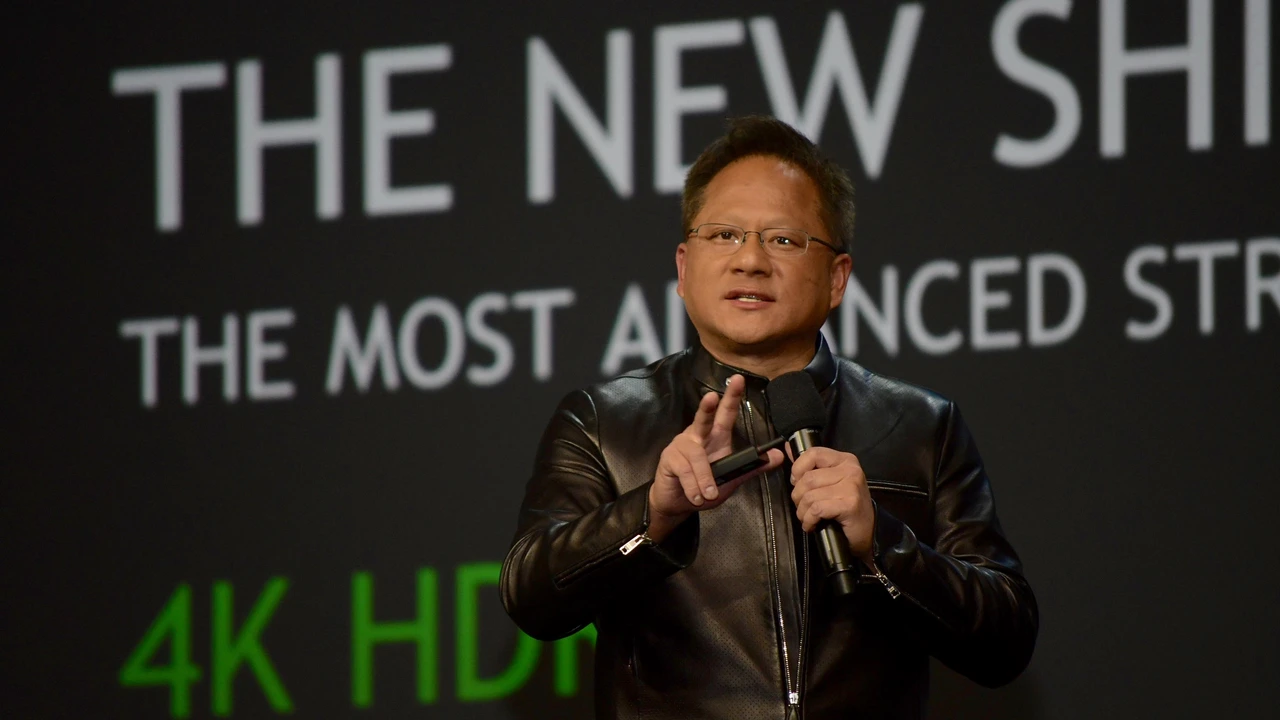
Nvidia's board of directors is meeting to decide the future of Chief Executive Officer Jensen Huang following his acknowledgment of an extramarital affair with a woman identified by intelligence officials as a Chinese spy. The leadership crisis has triggered an internal investigation and heightened political scrutiny in Washington, sending the company's shares down more than 4%.
Huang revealed the relationship in a message to staff on Sunday, telling colleagues that he had been unfaithful and apologizing to his family. In his message, Huang said the company's board was launching an investigation into whether he was targeted by a foreign intelligence agency. The woman involved, Alice Huang, is a former television reporter and executive at Megaspeed, an Nvidia customer accused of helping restricted Chinese companies acquire advanced artificial intelligence chips. U.S. intelligence officials believe she was a spy for China's Ministry of State Security, according to a memo circulated among the Trump administration and overseen by Secretary of State Marco Rubio. China has denied the allegation as a smear.
Board Response and Leadership Uncertainty
Nvidia's board stated that it has "confidence in Jensen" and has "no reason to believe that either national security or Nvidia secrets were compromised". A company spokesperson added that Huang is committed to continuing to lead Nvidia as CEO without interruption. While the board's initial statement indicated it is attempting to protect shareholders without destabilizing the company, analysts note that his potential resignation is not a foregone conclusion. Depending on what the investigation uncovers, some industry observers suggest he could face pressure to step back or take a leave of absence.
The controversy has intensified political pressure from both Democrats and Republicans in Washington. Lawmakers are demanding briefings and calling into question how advanced artificial intelligence chips reach China. With Democrats poised to control both houses of Congress, incoming leaders have signaled that oversight of technology development and export policies will be a high priority. President Donald Trump has continued to support Huang, describing him as an "honorable guy" who has done an amazing job for the country.
Corporate Structure and Risk
Huang has been the singular public face and driving force behind Nvidia since co-founding the company in 1993, building it into one of the most valuable businesses on the planet. Analysts point out that Nvidia has no clear successor and operates with a flat structure where Huang maintains deep involvement in day-to-day operations. Despite his outsized influence, Huang owns just over 3% of the company's shares and is one of 11 board members without an official chair.
Summary
Nvidia's leadership crisis threatens the stability of a central pillar in the global artificial intelligence industry. Because the company and its chief executive are deeply intertwined with AI financing, chip supply chains, and U.S. technology policy, any change in leadership or regulatory fallout could disrupt the broader tech sector.