AMD Executives Rebut Claims That Rival Chips Were Built Specifically for AI Agents
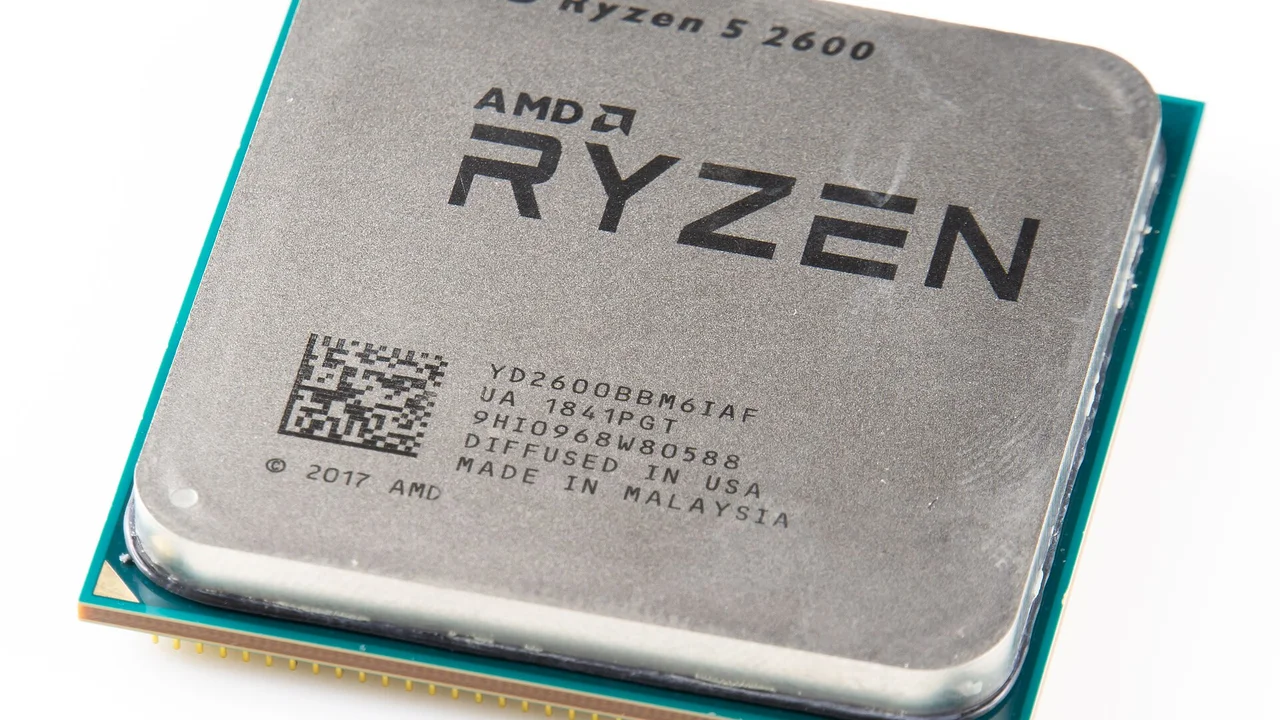
Advanced Micro Devices (AMD) executives have pushed back against claims from rival chipmakers that their latest server processors were custom-built for agentic artificial intelligence. Company leaders argue that because complex computer chips take years to plan and build, no manufacturer could have predicted the recent surge in autonomous software tasks when development started.
Agentic AI involves software loops where large language models execute tools and query databases to accomplish complex tasks without constant human direction. Two senior AMD figures—chief Zen architect Mike Clark and corporate vice president Madhu Rangarajan—noted in separate discussions that the industry-wide focus on these workflows accelerated abruptly.
“We think that the EPYC 9006 CPU is the best CPU for the agentic era, and spoiler alert, we didn’t magically know four years ago that agentic was going to be a thing and purpose-built something for agentic,” Rangarajan told reporters.
Rangarajan explained that executing diverse tasks requires compute hardware capable of handling a broad portfolio of workloads rather than relying on a single chip design. Clark supported that view, stating that while his engineering team did not foresee the agentic boom during the early planning stages, they built general-purpose processors knowing CPUs would remain essential to the AI software ecosystem.
Competing Claims and Testing Results
The remarks target marketing claims from competitors Nvidia and Arm, which have described their newest data center processors as purpose-built or designed specifically for the demands of agentic workloads. While certain benchmarks show Nvidia’s Vera processor performing strongly in specific agentic vectors, AMD argues that these workflows require a versatile range of chips.
Independent testing of AMD’s new Venice processor lineup supports that multi-chip strategy. The dense EPYC 9996 model features 256 cores and 512 threads to deliver peak throughput, while the frequency-optimized EPYC 9686F competes directly with Nvidia's Vera chip as an AI host node. AMD also plans to release specialized variants next year, including an HPC-focused chip with 3D-stacked cache and an LPDDR5X-equipped processor designed to challenge Vera directly.
Summary
As chipmakers race to capture market share in emerging AI categories, the debate over AMD's Zen 6 lineup highlights a fundamental hardware constraint: multi-year development cycles make it difficult to tailor silicon for trends that materialize only months before launch.