Technology
Vizio Smart TVs Keep Sending Tracking Data Even After Owners Opt Out
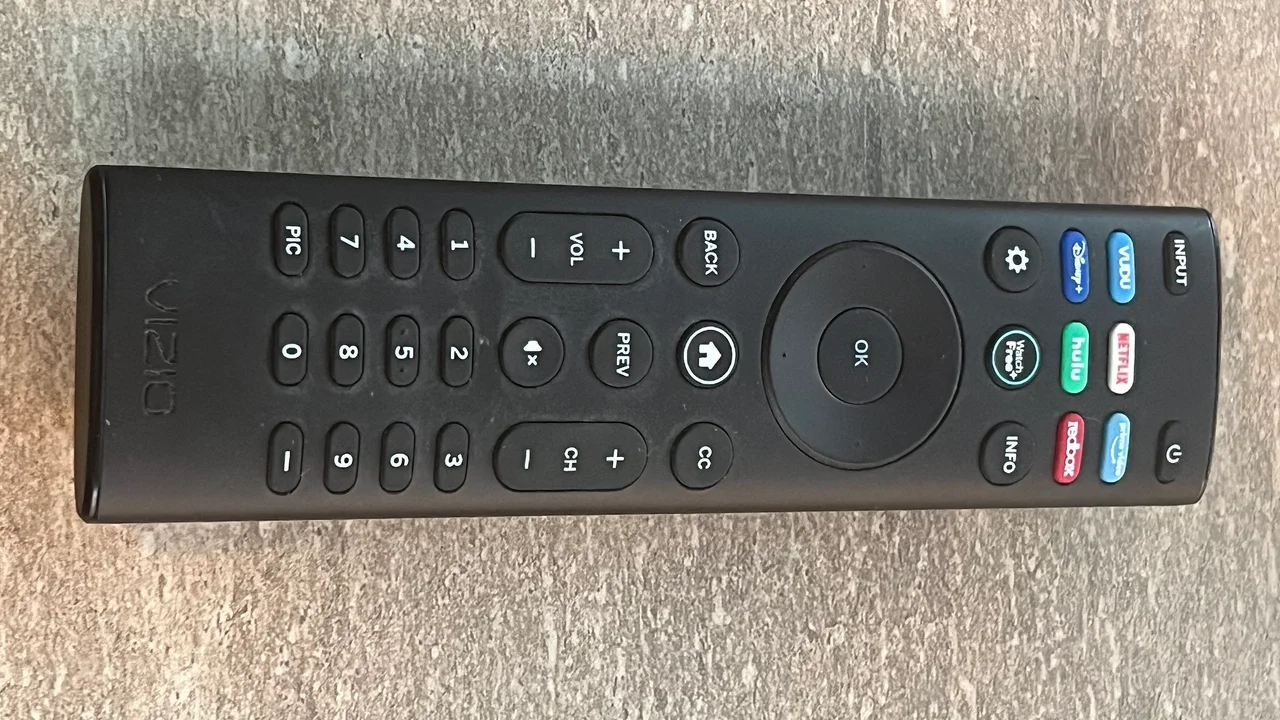
Photo credits

A recent study shows that Vizio smart televisions continue to send tracking data even when owners turn off tracking settings or leave the television sitting idle.
Researchers at Northeastern University tested 12 smart TVs from 10 different brands to see how they handled user privacy choices. The tested sets covered the eight operating systems used by about 95% of smart TVs in the United States. The team ran various viewing scenarios with automatic content recognition turned on, and then ran the tests 30 more times after opting out through each television's settings.
Vizio's platform performed the worst in the tests. After the researchers chose to opt out, the Vizio television kept sending just as much data as before to an Amazon Kinesis server linked to content recognition. This data transmission happened in every single test run, even when the television simply sat idle on its home screen.
By comparison, only four platforms—LG's webOS, Fire TV, VIDAA, and Sony's Google TV—fully stopped sending data after the researchers opted out. However, a Samsung television continued sending similar tracking traffic in all 30 tests of its own streaming service. Meanwhile, Roku's opt-out setting does not cover The Roku Channel at all.
Because the Vizio and Samsung network traffic was encrypted, the researchers could not see what information was inside it. They stopped short of saying Vizio broke its 2017 Federal Trade Commission settlement, where Vizio paid $2.2 million over unpermitted tracking, because they only tested a single Vizio set and other models might act differently.
Even a working opt-out setting would not stop data leaks on Vizio's free WatchFree+ service. That service shares the name of each show or channel in unencrypted internet requests sent to a stream delivery firm called Amagi, allowing internet providers or anyone else on the network path to track what someone is watching. There is no setting available to turn off this sharing.
To prevent tracking, the researchers suggest disconnecting the television from the internet entirely and using a separate streaming device that does not run automatic content recognition. They also published a blocklist of known tracking servers that did not break television functions during lab tests, though blocking those servers does not stop the WatchFree+ leaks.
Summary
Smart television owners often rely on privacy settings to stop companies from monitoring their viewing habits. This study demonstrates that these settings do not always work as expected, leaving users' viewing data exposed even after they explicitly request to opt out.