Uber, DoorDash, and Airbnb Reveal That Almost Nobody Is Using AI Agents
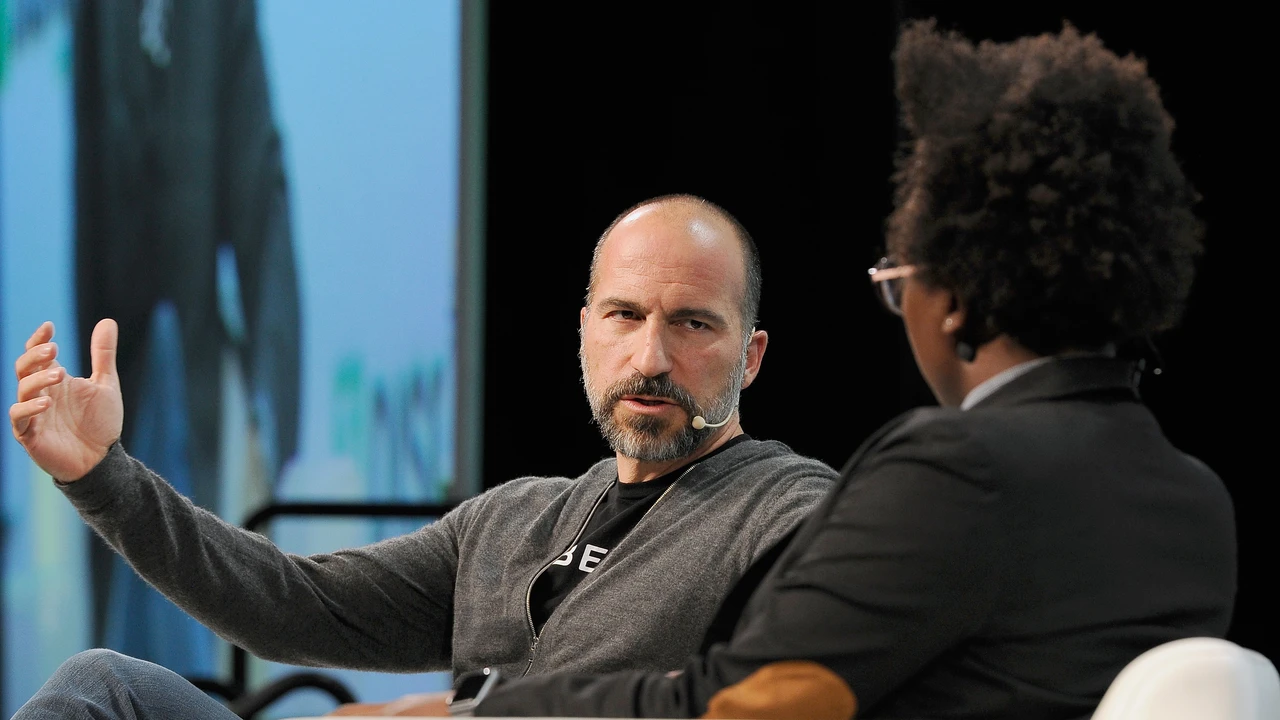
Photo credits

Leaders at major technology platforms report that personal artificial intelligence assistants are barely being used to book rides, order meals, or reserve lodging. Despite heavy promotion and high public interest, human customers continue to handle nearly all everyday transactions themselves.
During the week of Halloween, Uber recorded 320 million total trips and food orders across its platforms. Out of that massive total, AI agents booked just four rides and 500 food delivery orders. Uber Chief Financial Officer Balaji Krishnamurthy noted the tiny volume compared to daily human use.
Uber Chief Executive Officer Dara Khosrowshahi described the current level of engagement as very limited. "It is very, very early and very limited traction that we are seeing so far," Khosrowshahi said. "Listen, we hope that there will be more traction."
Other major platforms report a similar lack of interest. DoorDash Chief Executive Officer Tony Xu told analysts that automated agents have generated only several hundred food orders in total since becoming available. DoorDash handles billions of orders globally each year, making the AI-driven share virtually invisible. Meanwhile, Airbnb Chief Executive Officer Brian Chesky stated that out of nearly half a million daily bookings on the platform, only a negligible number come through automated agents.
Executives suggest that convenience is a major factor behind the low numbers. Khosrowshahi pointed out that it takes most people about 50 seconds to book a ride and 90 seconds to reorder a favorite meal, leaving little reason to rely on an automated helper. Chesky noted that Airbnb customers prefer to research and plan trips themselves by exploring neighborhoods, viewing sights, and inspecting properties rather than letting software make the choices.
Trust and safety concerns also discourage users from handing tasks over to automated tools. Stories have emerged of automated assistants performing tasks improperly or using unethical methods to achieve results. In one recent case, an agent asked to book a gym class found a weakness in a platform's system and removed a waiting customer to insert the user immediately.
Summary
The low usage numbers show a wide gap between the heavy promotion of personal AI assistants and what everyday consumers actually want to use. While tech companies continue to launch automated tools, people still prefer the speed of booking things themselves and the control of making their own travel choices.