Microsoft Patent Details Paying Users to Train AI on Idle Devices
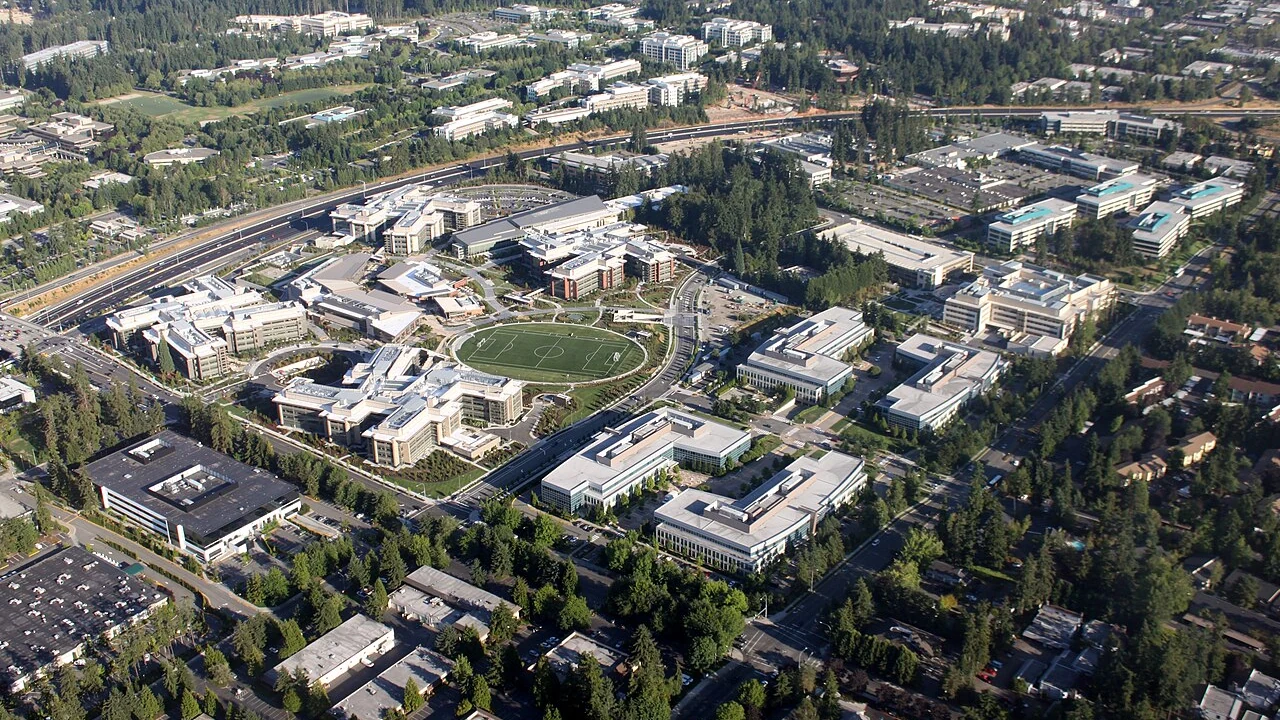
A published Microsoft patent application describes a system that could compensate consenting users for allowing AI training on spare computer capacity. It was filed on April 30, 2025 and published on November 5, 2026. The application describes rising GPU demand and shortages as background for the proposal.
Training modern artificial intelligence requires massive processing power, and specialized chips called graphics processing units are particularly suited for the work. The application links increasing model complexity to growing computational demand. TechSpot’s analysis argues that data-center chips offer manufacturers a more profitable use of production capacity than consumer hardware. The application says many personal devices have processing capacity that sits unused during idle periods.
Microsoft's patent outlines a monitoring network that would track consenting users' hardware during periods of low or no usage. The system would measure processor utilization, memory usage, temperature, power consumption, memory bandwidth, and compute queue depth to determine available capacity.
Under the proposed setup, large training workloads would be divided into smaller tasks and assigned to participating devices based on availability and historical accuracy. The filing describes a network involving servers and personal devices such as desktop computers and smartphones. Users who agreed to share their spare computing cycles could receive monetary compensation, software credits, or access credits for the artificial intelligence models they help train.
The application describes a proposed system and does not announce a commercial launch. Its publication does not establish that Microsoft will commercialize the design.
Summary
The application presents idle personal devices as a possible source of distributed AI training capacity. Microsoft's patent outlines one potential framework for managing and compensating users for that spare capacity.
Updates and corrections
- Correction, : Linked the original USPTO application and distinguished the April 2025 filing from its November 2026 publication. Clarified that compensation and training are proposals, corrected model-access wording to access credits, and attributed the manufacturing-incentive comparison as TechSpot analysis rather than a fact established by the filing.